
The top healthy dessert recipes for guilt free indulgence occupy a genuinely difficult category to get right, because the version of healthy dessert that most people have encountered tastes like a compromise made by someone who wanted a real dessert and decided to feel virtuous instead. I have eaten enough cardboard protein bars, watery frozen yogurt substitutes, and aggressively flavored date balls that were supposedly just like brownies to know that the difference between a healthy dessert that satisfies and one that makes you immediately want the real thing comes down to whether the recipe was designed around what the dessert genuinely is or around what ingredients it avoids. The recipes below were designed around the former, and they genuinely satisfy.
What Actually Makes a Dessert Healthy Without Making It Disappointing
The word healthy applied to dessert has been so thoroughly abused by food marketing that it has lost most of its useful meaning, and clarifying what it actually means in this context produces better recipe choices than accepting the vague nutritional virtue signaling that most healthy dessert content relies on.
Reduced added sugar is the primary lever that most genuinely healthy dessert modifications pull, because added sugar is the component of conventional desserts with the strongest negative health associations when consumed in excess. Natural sweeteners including dates, ripe bananas, maple syrup, and honey contain the same fructose and glucose as refined sugar but provide additional fiber, minerals, and a lower glycemic response per gram of sweetness in whole food forms. This does not make them calorie-free or infinitely healthy, but it does mean they provide more nutritional value alongside their sweetness than refined white sugar provides alongside an equivalent sweet taste.
Increased protein and fiber converts a dessert from a pure blood sugar spike into something that is metabolically processed more slowly, produces more sustained satiation, and provides nutritional value beyond the pleasure of eating it. Greek yogurt, cottage cheese, eggs, nut butters, protein powder, and legumes all add protein to dessert formats without fundamentally changing the eating experience when incorporated thoughtfully. Oats, chia seeds, flaxseed, fruit, and vegetables add fiber that slows sugar absorption and extends the period of satisfaction after eating.
Whole food ingredient substitutions replace refined and processed ingredients with whole food alternatives that provide equivalent function in the recipe alongside additional nutrition. Mashed ripe banana replaces refined sugar and some fat in baked goods while adding potassium and fiber. Black beans replace flour in brownie recipes while adding protein and fiber. Avocado replaces butter in some applications while adding healthy monounsaturated fats and micronutrients. These substitutions work best when the whole food replacement provides an equivalent sensory experience rather than a nutritionally superior but culinarily inferior one.
1. Frozen Banana Nice Cream
Frozen banana nice cream is the healthy dessert that converts the largest number of skeptics in a single tasting, because the texture of a frozen ripe banana blended until smooth is genuinely indistinguishable from soft-serve ice cream in consistency and requires no conceptual leap to appreciate as dessert rather than as a health food disguised as dessert.
Ingredients for two servings:
- 4 ripe bananas frozen in chunks, the riper the better, brown spots indicate the sweetness level that produces the best result
- Optional flavor additions choose one or combine:
- 2 tablespoons peanut butter for peanut butter nice cream
- 2 tablespoons cocoa powder for chocolate nice cream
- Half cup frozen mango chunks for tropical nice cream
- 1 teaspoon vanilla extract and pinch of cinnamon for classic vanilla
- Half cup frozen strawberries for strawberry nice cream
- Toppings: dark chocolate chips, sliced fresh fruit, granola, coconut flakes, crushed nuts
The banana must be fully frozen, at least six hours and ideally overnight. Break frozen chunks into a food processor or high-powered blender. Blend on high, stopping to scrape down the sides every thirty seconds. The mixture will go through a crumbly phase that looks wrong before it suddenly becomes smooth and creamy, which takes two to four minutes depending on equipment power. Add any flavor additions during the blending process. The crumbly phase is the moment where most beginners add liquid thinking the recipe has failed, which then produces a banana smoothie rather than nice cream. Continuing to blend without adding liquid produces the creamy result. Serve immediately for soft-serve consistency or freeze for two hours for a scoopable consistency. Total added sugar: zero.
2. Dark Chocolate Avocado Mousse
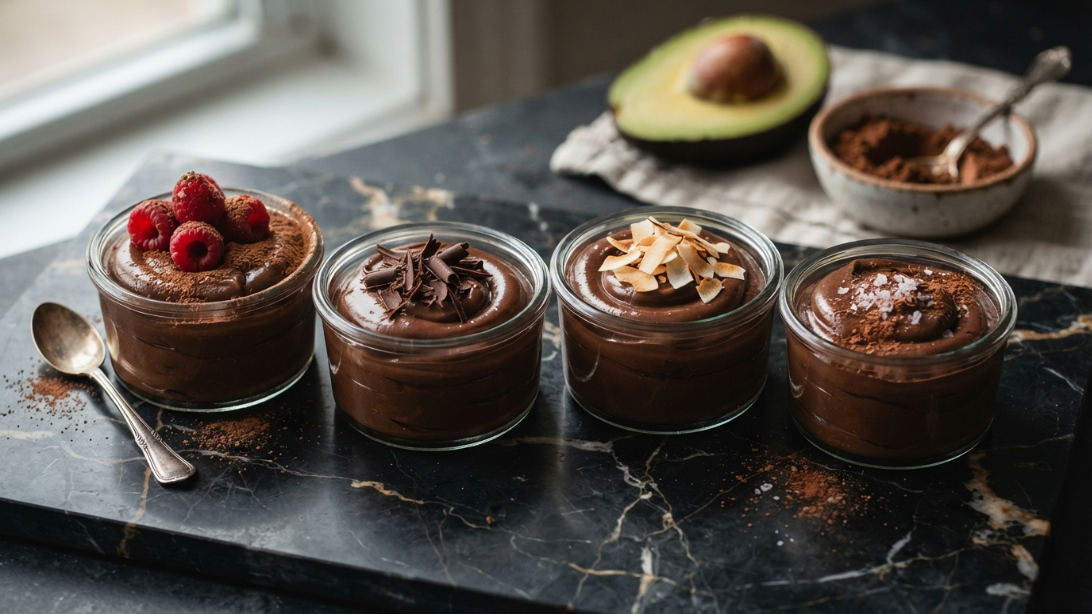
Avocado chocolate mousse is the healthy dessert with the largest gap between what it sounds like and what it actually tastes like. The avocado contributes fat and creaminess that is completely indistinguishable from the cream or butter it replaces, because the chocolate flavor dominates entirely while the avocado provides only texture.
Ingredients for four servings, approximately 220 calories each:
- 2 large ripe avocados
- Half cup cocoa powder, use high-quality Dutch-process for the best flavor
- Quarter cup maple syrup or honey
- Quarter cup unsweetened almond milk or regular milk
- 2 teaspoons vanilla extract
- Pinch of salt
- Optional: 2 tablespoons espresso powder, which intensifies chocolate flavor dramatically
- Toppings: raspberries, coconut flakes, dark chocolate shavings, flaky sea salt
Avocados must be fully ripe, yielding completely when pressed, with no firm spots remaining. Firm avocado produces a gritty mousse that never fully smooths regardless of blending time. Add all ingredients to a food processor or high-powered blender. Blend until absolutely smooth, scraping down the sides multiple times. Taste and adjust: more maple syrup for sweetness, more cocoa for depth, more almond milk for a lighter consistency. Refrigerate for at least one hour before serving, which firms the mousse and integrates the flavors more completely than serving immediately produces. Serve in small glasses or ramekins with toppings. The high-quality cocoa powder is the specific ingredient investment that makes this mousse taste like a genuine chocolate dessert rather than a health food: low-quality cocoa produces a flat, slightly bitter result while Dutch-process cocoa produces the deep, round chocolate flavor that makes the avocado base completely invisible.
3. Greek Yogurt Bark With Berries and Dark Chocolate
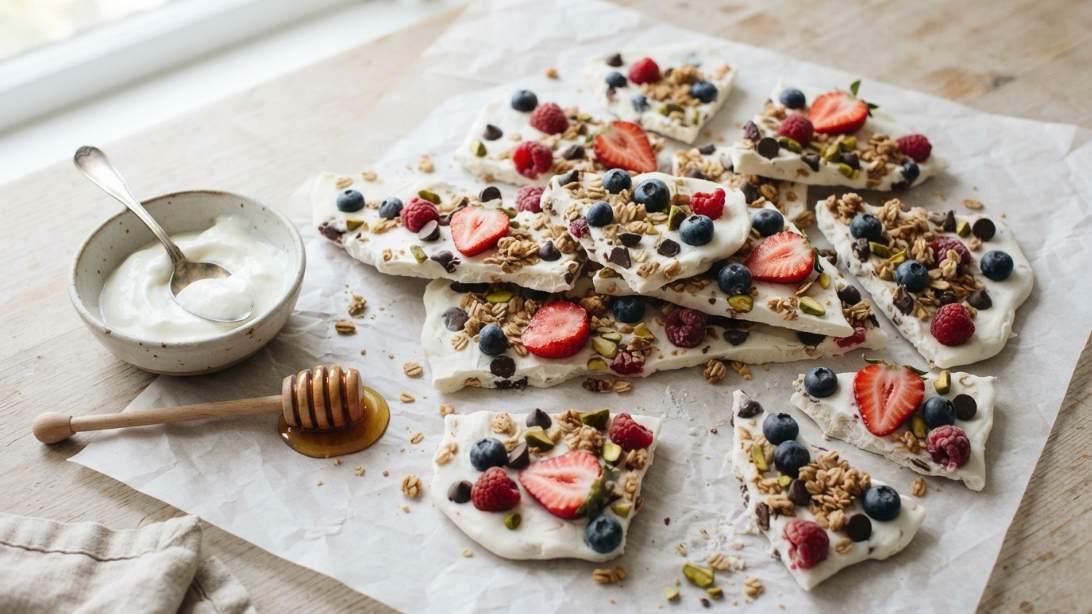
Yogurt bark frozen into a sheet and broken into pieces produces a healthy dessert that behaves like chocolate bark in texture and serving format while providing protein from the yogurt, antioxidants from the berries, and significantly less sugar than equivalent chocolate confections.
Ingredients for six to eight servings:
- 2 cups plain full-fat Greek yogurt
- 3 tablespoons honey or maple syrup
- 1 teaspoon vanilla extract
- Half cup mixed fresh berries: blueberries, raspberries, sliced strawberries
- 2 tablespoons dark chocolate chips or chopped dark chocolate
- 2 tablespoons granola
- 1 tablespoon pumpkin seeds or chopped pistachios
- Optional: 1 tablespoon chia seeds mixed into the yogurt base
Line a sheet pan with parchment paper. Mix Greek yogurt, honey, and vanilla until combined. Spread the yogurt mixture onto the prepared sheet pan in an even layer approximately quarter-inch thick, extending to approximately a 10×12 inch rectangle. The thickness should be consistent across the entire surface for even freezing. Immediately distribute berries, chocolate chips, granola, and seeds evenly across the surface, pressing them gently into the yogurt. Freeze for at least four hours until completely solid. Break into irregular pieces by lifting the parchment and snapping the bark. Serve immediately from the freezer as it begins softening within five minutes at room temperature. Store broken pieces in a freezer bag for two weeks. The parchment paper specifically rather than foil or plastic wrap allows the frozen bark to release cleanly and to be broken rather than peeled, which matters for the aesthetic result of irregular bark pieces that look intentional rather than damaged.
Top Healthy Dessert Recipes for Guilt Free Indulgence Using Natural Sweeteners
Natural sweeteners provide the sweetness that dessert requires while delivering additional nutritional value and a different metabolic response than refined white sugar. Understanding how to use them effectively in specific recipe contexts produces better results than simply substituting them one-for-one for refined sugar.
Medjool Date Caramel Sauce
Medjool date caramel provides the specific thick, sweet, amber-colored sauce that caramel provides in conventional desserts through a base of blended dates rather than cooked sugar, delivering fiber, potassium, magnesium, and iron alongside sweetness that refined caramel does not contain.
Ingredients for approximately one cup:
- 1 cup Medjool dates pitted, soaked in hot water for twenty minutes and drained
- Half cup warm water
- 2 tablespoons almond butter or cashew butter
- 1 teaspoon vanilla extract
- Quarter teaspoon sea salt
- Optional: pinch of cinnamon, tablespoon of coconut oil for extra richness
Blend all ingredients in a high-powered blender until completely smooth, approximately two to three minutes. Add additional warm water one tablespoon at a time if needed to reach a pourable consistency. The finished sauce should coat the back of a spoon like a thick caramel. Use as a dip for apple slices, a drizzle over nice cream, a layer in parfaits, or a topping for oatmeal. Store refrigerated for two weeks. The Medjool variety specifically rather than generic dried dates produces this sauce with the right consistency because Medjool dates are significantly softer and higher in moisture than other date varieties, which allows blending to a smooth, caramel-like texture that drier date varieties cannot achieve without excessive water addition that dilutes the flavor.
Banana Oat Cookies With Dark Chocolate
Banana oat cookies with only three base ingredients plus optional additions represent the healthiest dessert that genuinely tastes like a cookie rather than like a health food project, providing fiber from the oats, natural sweetness from the banana, and the specific satisfaction of something baked and chocolate-containing.
Ingredients for twelve cookies:
- 2 very ripe bananas mashed completely smooth
- 1 and half cups rolled oats
- Quarter cup dark chocolate chips
- Optional additions:
- 2 tablespoons peanut butter for additional protein
- Quarter teaspoon cinnamon
- 2 tablespoons chopped walnuts
- 1 tablespoon chia seeds
- Pinch of salt
Preheat oven to 350°F. Mash bananas until absolutely smooth with no visible chunks. Mix with oats, salt, and any optional additions until combined. Fold in chocolate chips. The mixture will be sticky and wet-looking rather than dough-like, which is correct. Drop by rounded tablespoons onto a parchment-lined baking sheet. Flatten each cookie slightly with damp fingers since these cookies do not spread during baking and will maintain whatever shape they are placed in. Bake twelve to fourteen minutes until the bottoms are golden and the tops look set. Cool on the pan for five minutes before moving. These cookies are soft rather than crispy, which is the texture expectation to set correctly before serving them: they are not a crunchy cookie alternative, they are a genuinely different texture that many people prefer. Total added sugar per cookie: zero beyond what is in the chocolate chips.
4. Chia Seed Pudding Three Ways
Chia seed pudding provides the texture and visual appeal of a pudding dessert through a mechanism that is nutritionally quite different from conventional pudding: chia seeds absorb liquid and expand into a gel that contains omega-3 fatty acids, protein, and fiber in quantities that make this dessert genuinely nutritious rather than merely lower in some problematic ingredient than the alternative.
Base recipe for two servings:
- 3 tablespoons chia seeds
- 1 cup unsweetened almond milk, coconut milk, or regular milk
- 1 tablespoon maple syrup or honey
- Half teaspoon vanilla extract
- Pinch of salt
Mix all base ingredients thoroughly, whisking for thirty seconds to distribute the chia seeds evenly. Let sit for five minutes and whisk again, which prevents the clumping that occurs when chia seeds begin absorbing liquid before being evenly distributed. Refrigerate for at least four hours or overnight. The pudding is set when it has achieved a thick, spoonable consistency throughout with no pooled liquid at the bottom.
Variation one: Chocolate: Add 2 tablespoons cocoa powder and an additional tablespoon of sweetener to the base. Top with sliced banana and dark chocolate shavings.
Variation two: Mango coconut: Use coconut milk as the liquid base. Top with diced fresh mango, toasted coconut flakes, and a squeeze of lime juice.
Variation three: Berry compote: Top the plain base with a quick berry compote made by simmering one cup of mixed berries with one tablespoon of honey for five minutes until broken down and jammy.
5. Black Bean Brownies
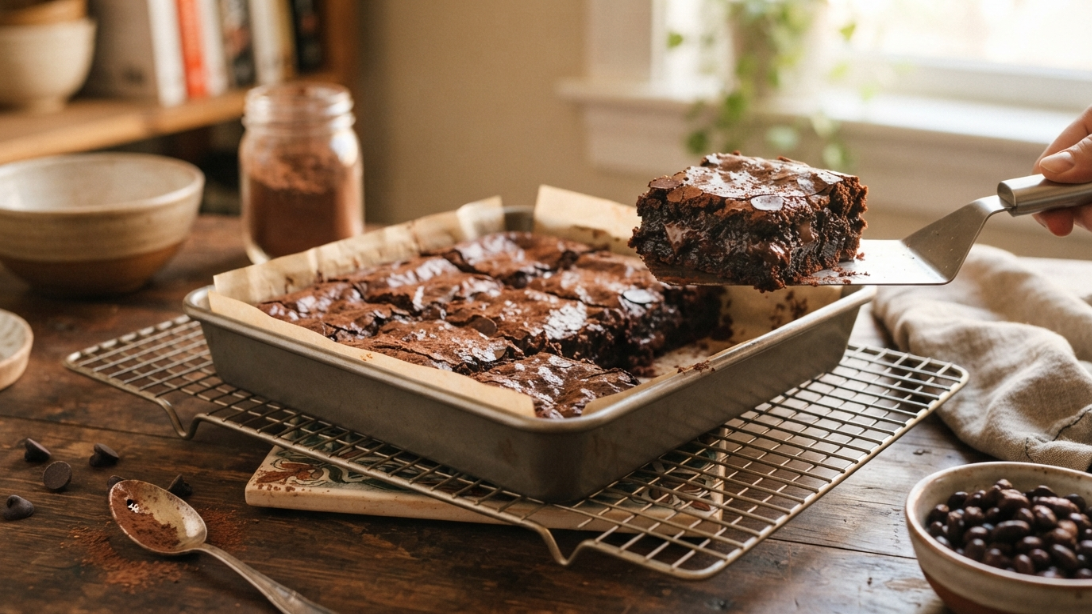
Black bean brownies are the healthy dessert with the most dramatic gap between concept and result: the idea of a brownie made primarily from black beans sounds like something that could not possibly work, and the reality is a fudgy, dense, genuinely chocolate-forward brownie that most people cannot distinguish from a conventional version in a blind comparison.
Ingredients for sixteen brownies:
- 1 can black beans drained and rinsed thoroughly
- 2 large eggs
- Quarter cup cocoa powder
- Half cup maple syrup or honey
- Quarter cup coconut oil melted
- 1 teaspoon vanilla extract
- Half teaspoon baking powder
- Pinch of salt
- Half cup dark chocolate chips divided
Preheat oven to 350°F. Drain and rinse the black beans very thoroughly under running water until the water runs completely clear, which removes the bean flavor that inadequate rinsing leaves in the finished brownie. Blend beans, eggs, cocoa powder, maple syrup, coconut oil, vanilla, baking powder, and salt in a food processor until completely smooth with no bean texture remaining, approximately two full minutes of processing. The batter should be completely smooth and dark. Fold in half the chocolate chips. Pour into a greased 8×8 pan. Distribute remaining chocolate chips across the top. Bake twenty to twenty-five minutes until a toothpick inserted in the center comes out with only moist crumbs rather than wet batter. Cool completely before cutting. The complete cooling before cutting is genuinely non-negotiable for black bean brownies: they firm significantly during cooling and a properly cooled brownie cuts into clean squares while a warm one crumbles into a black bean mass that reveals its ingredient base in a way that fully cooled versions do not.
6. Frozen Yogurt Bark Pops
Individual frozen yogurt pops made from the same base as yogurt bark but frozen in ice pop molds provide a portable, single-serving format that is more practical for individual enjoyment than breaking bark from a sheet.
Ingredients for eight pops:
- 2 cups plain full-fat Greek yogurt
- 3 tablespoons honey
- 1 teaspoon vanilla extract
- Half cup fresh fruit puree: blended strawberries, mango, or peach
- Optional swirls: 2 tablespoons peanut butter, 2 tablespoons dark chocolate melted, berry jam
Mix Greek yogurt, honey, and vanilla. Divide into two portions if making swirled pops. Mix fruit puree into one portion. Layer the two yogurt mixtures alternately in popsicle molds, using a skewer or toothpick to create a marble swirl effect. For a peanut butter swirl, drizzle peanut butter into the molds between yogurt layers and swirl with a toothpick. Insert sticks and freeze for at least five hours. Unmold by running warm water over the outside of the mold for ten to fifteen seconds. The marbling technique with the toothpick produces the visual appeal that makes these pops look significantly more crafted than their preparation effort justifies, which matters for the psychological experience of eating a healthy dessert: something that looks beautiful to eat provides more pleasure than nutritionally identical food presented without visual consideration.
7. Oat and Almond Butter Energy Balls
Energy balls occupy the same beneficial ambiguity as the peanut butter oat balls mentioned in the summer dessert context: they satisfy dessert cravings while providing protein, fiber, and healthy fat in a format that is genuinely appropriate as both a post-dinner sweet and a between-meal energy source.
Ingredients for twenty balls:
- 1 cup rolled oats
- Half cup almond butter or peanut butter
- 3 tablespoons honey or maple syrup
- 2 tablespoons ground flaxseed
- 2 tablespoons chia seeds
- Quarter cup dark chocolate chips
- 1 teaspoon vanilla extract
- Half teaspoon cinnamon
- Pinch of salt
- Optional coating: cocoa powder, shredded coconut, crushed nuts, sesame seeds
Combine all ingredients in a medium bowl and mix until fully incorporated. The mixture should hold together when pressed between your fingers. If too dry, add one tablespoon of additional almond butter. If too wet, add two tablespoons of additional oats. Refrigerate for thirty minutes. Roll into one-inch balls using slightly damp hands. Roll each ball in the optional coating if using. Place on a parchment-lined plate and refrigerate for one hour until firm. Store refrigerated for one week or frozen for three months. Each ball provides approximately 100 to 120 calories with four to five grams of protein and two to three grams of fiber, which produces the specific satiation that allows two balls to genuinely satisfy rather than triggering the desire for four more that lower-protein, lower-fiber sweets consistently produce.
8. Baked Cinnamon Pears With Greek Yogurt
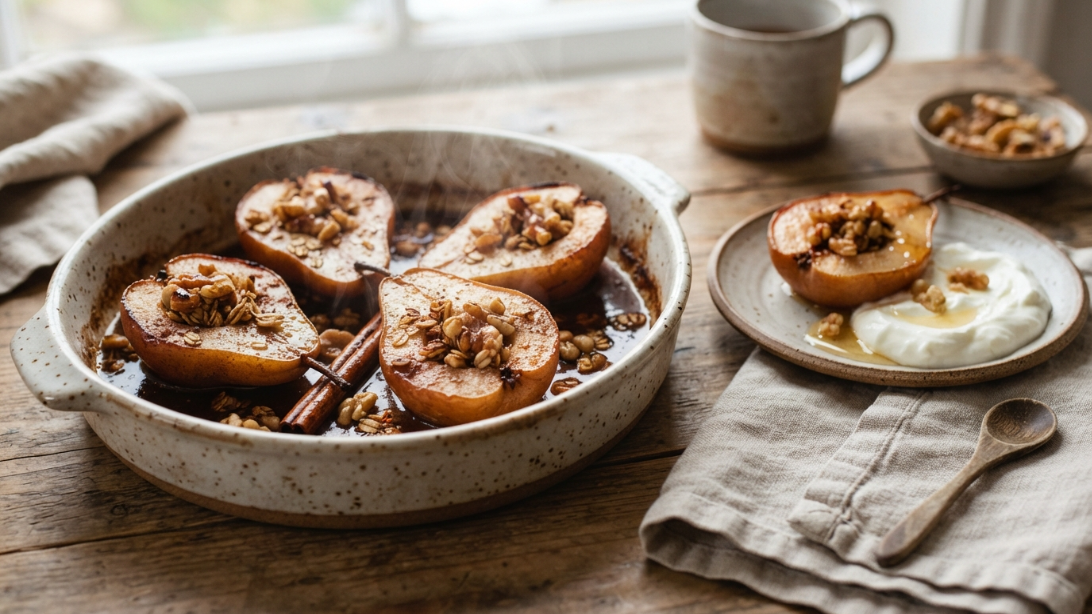
Baked pears with Greek yogurt and honey provide the warm dessert experience that feels missing from a healthy dessert repertoire dominated by cold and room-temperature options, in a format where the fruit itself provides natural sweetness and the yogurt provides protein and creaminess that makes the combination genuinely satisfying.
Ingredients for four servings:
- 2 large ripe pears halved and cored
- 2 tablespoons honey or maple syrup
- 1 teaspoon cinnamon
- Quarter teaspoon nutmeg
- 1 tablespoon coconut oil or butter
- Half cup chopped walnuts or pecans
- 1 cup plain Greek yogurt for serving
- Additional honey for drizzling
Preheat oven to 375°F. Place pear halves cut-side up in a baking dish. Mix honey, cinnamon, and nutmeg. Drizzle over the pear halves. Add a small amount of coconut oil or butter to each pear cavity. Sprinkle chopped nuts across the pears and in the cavities. Add two tablespoons of water to the bottom of the baking dish. Bake twenty-five to thirty minutes until pears are completely tender when pierced with a knife and the edges are beginning to caramelize. Serve warm with a generous spoonful of cold Greek yogurt and an additional honey drizzle. The temperature contrast between warm baked pear and cold Greek yogurt is the sensory element that makes this dessert feel genuinely indulgent despite its minimal ingredient list and straightforward preparation: the cold yogurt against the warm fruit produces the same pleasure response as ice cream on warm pie.
9. Mango Coconut Chia Mousse
Mango coconut chia mousse combines the gel-setting property of chia seeds with the creaminess of full-fat coconut milk and the tropical sweetness of fresh mango to produce a dessert that is simultaneously exotic-feeling, visually beautiful, and nutritionally substantial enough to qualify as a genuinely healthy option.
Ingredients for four servings:
- 1 can full-fat coconut milk
- 4 tablespoons chia seeds
- 2 tablespoons maple syrup
- 1 teaspoon vanilla extract
- 2 ripe mangoes, one blended and one diced for topping
- Juice of half a lime
- Toasted coconut flakes for topping
- Fresh mint for garnish
Mix coconut milk, chia seeds, maple syrup, and vanilla in a bowl. Whisk thoroughly and let sit five minutes before whisking again to prevent clumping. Refrigerate for four hours or overnight. Blend one mango with lime juice until completely smooth. When chia pudding is fully set, layer in glasses: chia pudding base, mango puree, fresh diced mango, toasted coconut. Repeat layers if the glasses are tall enough. Top with mint. The coconut milk fat content is the specific ingredient quality that determines the creaminess of the final dessert: light coconut milk produces a watery result that does not set to the proper consistency because it lacks the fat content that creates the rich, mousse-like texture. Full-fat coconut milk is non-negotiable for this recipe to achieve its intended result.
10. Frozen Chocolate Banana Bites
Frozen chocolate-dipped banana bites provide the specific experience of eating chocolate-covered ice cream in a format where the ice cream is frozen banana, the chocolate is dark rather than milk, and the whole thing contains two primary ingredients with no added sugar beyond what the chocolate contributes.
Ingredients for approximately thirty bites:
- 3 ripe but firm bananas
- 1 cup dark chocolate chips 70 percent or higher
- 1 tablespoon coconut oil
- Optional toppings applied before chocolate sets: crushed nuts, sea salt flakes, shredded coconut, sprinkles for children, crushed freeze-dried strawberries
Slice bananas into half-inch rounds. Place on a parchment-lined sheet pan in a single layer. Freeze for two hours until completely solid. Melt chocolate chips and coconut oil together in a microwave in thirty-second intervals, stirring between each, until completely smooth. The coconut oil addition to the chocolate is the specific ingredient that produces a thin, glossy coating that sets quickly and snaps cleanly when bitten rather than the thick, dull coating that melted chocolate without added fat produces on frozen surfaces. Working quickly because the frozen banana pieces will set the chocolate within seconds of dipping, use a fork to dip each frozen banana round in chocolate, tap off excess, and return to the parchment. Immediately add any toppings before the chocolate sets. Return to freezer for fifteen minutes. Store in a freezer bag for one month. Serve directly from the freezer.
Building a Healthy Dessert Practice That Actually Works
Healthy dessert eating works long-term when it is built on genuine satisfaction rather than willpower and deprivation management. A few principles that make the difference.
Quality over quantity applies specifically to healthy dessert eating: a small amount of an excellent healthy dessert satisfies more completely than a large amount of a mediocre one. Two frozen chocolate banana bites that are properly made with good dark chocolate satisfy the chocolate craving that ten mediocre ones merely delay. Investing in good quality cocoa powder, genuine Medjool dates, and 70 percent or higher dark chocolate rather than the cheapest available versions of each ingredient produces the flavor quality that generates genuine satisfaction rather than the “I guess that will do” feeling that pushes people back toward less healthy alternatives.
Timing and context affect how satisfying healthy desserts feel independently of their actual flavor quality. A healthy dessert eaten mindlessly while scrolling a phone delivers less satisfaction and generates more desire for additional eating than the same dessert eaten deliberately after a proper meal. The fullness from a complete meal, the deliberate choice of the dessert, and the attentive experience of eating it together produce a level of satisfaction that eating the same dessert in a distracted, rushed, or emotionally charged context never matches.
Frequently Asked Questions
What are the top healthy dessert recipes for guilt free indulgence that taste most like conventional desserts?
Black bean brownies, frozen banana nice cream, and dark chocolate avocado mousse perform best in comparisons with their conventional counterparts because each uses a whole food base that mimics the texture of the original through genuinely similar physical mechanisms: the black beans provide the fudgy density of butter and flour, the frozen banana provides the creaminess of ice cream, and the avocado provides the fat-based richness of cream. All three benefit from high-quality chocolate or cocoa that provides the dominant flavor experience.
How much sugar do natural sweeteners actually save compared to refined sugar?
Maple syrup contains approximately the same calories per tablespoon as white sugar but is used in smaller quantities because its flavor is more pronounced, typically producing a net caloric reduction of 20 to 30 percent in recipes that substitute it for refined sugar. Medjool dates used whole in recipes like energy balls and date caramel provide sweetness alongside three grams of fiber per date, which slows sugar absorption significantly. Ripe bananas used as a sweetener contain naturally occurring sugars with the fiber of the whole fruit, which the body processes differently than equivalent isolated fructose. None of these are sugar-free, but all provide meaningfully different nutritional profiles alongside their sweetness.
Can I make these healthy desserts ahead for a week?
Energy balls, chia pudding, yogurt bark, frozen banana bites, and date caramel sauce all store well for a full week refrigerated or longer frozen, making them the most practical options for weekly batch preparation. Nice cream is best made fresh or in small batches because it crystallizes during extended freezer storage in ways that require re-blending before serving. Black bean brownies store for five days at room temperature in an airtight container and freeze well for three months.
Are these desserts appropriate for people managing blood sugar?
People managing diabetes or blood sugar conditions should consult their healthcare provider or registered dietitian about specific dessert choices rather than relying on general healthy eating content. As a general observation, the desserts on this list that are highest in fiber and protein, specifically the chia pudding, energy balls, black bean brownies, and Greek yogurt bark, produce the slowest blood sugar response due to the fiber and protein content that moderates glucose absorption. The nice cream and fruit-based desserts, while nutritious, still contain significant natural sugars that affect blood sugar in ways individual to each person’s metabolic response.
How do I make healthy desserts taste genuinely satisfying rather than like a compromise?
The three variables that most determine satisfaction in healthy desserts are fat content, flavor intensity, and textural quality. Using full-fat versions of dairy and coconut ingredients rather than reduced-fat versions provides the mouthfeel that makes dessert feel indulgent. Using high-quality cocoa, vanilla, and dark chocolate provides the flavor intensity that makes a small portion satisfying. Ensuring proper technique in freezing, chilling, and textural development produces the right physical experience that makes eating the dessert feel like eating dessert rather than eating something that is trying to be dessert.
Conclusion
Healthy dessert is not a category that requires apologizing for or explaining before serving. Every recipe on this list exists on its own terms, made from ingredients that happen to be better for you than their conventional alternatives without requiring the person eating them to approach the experience as a nutritional exercise rather than a genuine pleasure. Which one are you making first?